Emotional Regulation: Mastering Emotions for Peak Performance
1. Why Emotional Regulation Matters in Sport

In high-pressure situations, emotional regulation is what separates good athletes from great ones. The ability to handle nerves before the start, frustration after a mistake, or disappointment after a poor result allows athletes to stay in control and perform consistently. Without regulation, emotions can hijack focus, coordination, and decision-making. As the saying goes, “If you can’t control your emotions, your emotions will control your results.”
2. Common Emotional Triggers in Sport
- Pre-race anxiety (nerves, self-doubt, fast heart rate)
- Bad referee call or opponent foul (anger or helplessness)
- Personal error (missed split, false start, dropped baton)
- Comparison with others or fear of letting people down
- Accumulated pressure over time (burnout, overtraining)
3. Practical Strategies to Regulate Emotions
Controlled Breathing
Why it works: It regulates the autonomic nervous system, reducing cortisol and heart rate.
Example: Use the 4-7-8 technique—inhale for 4 seconds, hold for 7, exhale for 8—twice before performance or after a mistake.
Exercise: Practice daily for 5 minutes after warm-ups.

Cognitive Reframing
Why it works: It replaces unhelpful thoughts with realistic, empowering ones.
Example: Change 'I always mess up starts' to 'Every race is a chance to grow.'
Exercise: Create a self-talk script for tough scenarios and rehearse it before practice.
Body Language Reset
Why it works: Posture affects hormone levels and mental states (power pose effect).
Example: Stand tall, hands on hips, and smile slightly—even if you don’t feel confident.
Exercise: Practice your 'reset pose' in front of a mirror after errors in practice.
Visualisation and Mental Rehearsal
Why it works: It helps the brain simulate scenarios and emotionally prepare in advance.
Example: Visualise calmly resetting after a false start or bad call.
Exercise: Spend 2–3 minutes visualising recovery and composure after a tough moment.
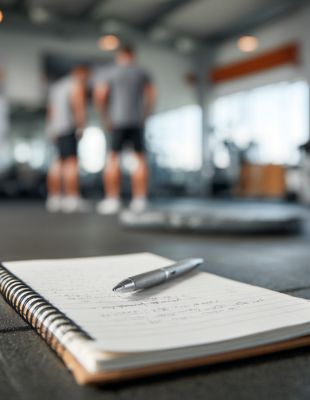
Emotional Journaling
Why it works: Converts emotion into insight by activating the prefrontal cortex.
Example: After training, write, "What happened? What did I feel? What did I learn?
Exercise: Use this once a week to review emotional reactions and growth.
4. Athlete Case Studies & Examples
• Simone Biles (Gymnastics): Stepped back from competition due to mental overload—used mindfulness, breathing, and journaling to process pressure and return stronger.
• Novak Djokovic (Tennis): Regularly uses visualisation and breathing between points to manage on-court frustration.
• South African runner Caster Semenya: Often focused on body language and resilience through identity-based pressure and media scrutiny.
5. Daily Emotional Control Routine
- Before training: 2-minute breathing, 1-minute self-talk script
- During training: Notice triggers, use reset pose
- After training: Emotional journal (What/When/Why)
- Weekly: Visualisation of pressure situations (2x/week)
6. References and Supporting Research
Gross, J.J. (2015). Emotion Regulation: Current Status and Future Prospects. Psychological Inquiry.
Goleman, D. (1995). Emotional Intelligence. Bantam Books.
Kreibig, S.D. (2010). Autonomic nervous system activity in emotion: A review. Biological Psychology.
APA Sport Psychology Manual (2021). Mental Skills for Performance.
Clark & Harrell (2022). Breathwork in high-performance athletes. Journal of Applied Sport Psychology.